

Discover the vision behind RALPH PUCCI International in this exclusive interview with Michael Pucci. Explore the brand’s approach to contemporary art and design, nurturing emerging talent, immersive exhibitions, and upcoming highlights, including Art Basel Miami 2025 and the Proc
Few names carry as much weight in art and design as RALPH PUCCI International. For over four decades, the gallery has redefined the boundaries between fine art, design, performance, and craftsmanship. With spaces in New York, Miami, Los Angeles, and, most recently, London, the gallery has built a global reputation for showcasing visionary talent in immersive environments that feel more like cultural experiences than traditional galleries.Today, Michael Pucci is helping to shape its future, bringing a fresh perspective while working alongside Ralph to evolve the gallery’s identity in an ever-changing landscape. From championing emerging voices to fostering cross-disciplinary collaborations, Michael is building on the gallery’s hallmarks of timelessness and quality while steering it toward a more dynamic, technologically connected future.
The Fluxx sat down with Michael Pucci to discuss the gallery’s evolution, its international expansion, and the role it continues to play in shaping the next generation of design visionaries.
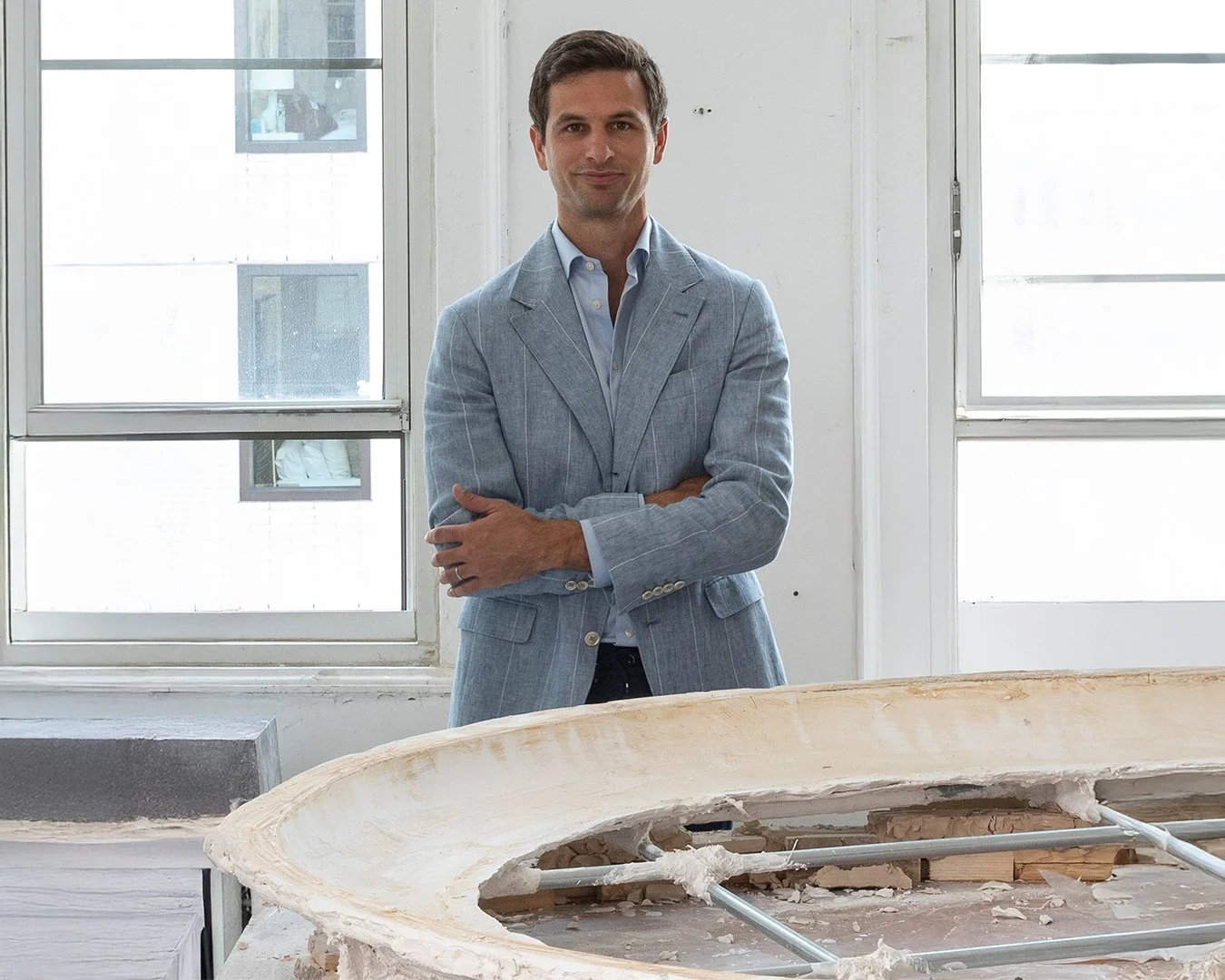
RALPH PUCCI International has become synonymous with innovation and excellence in contemporary art and design. As the next generation involved in the business, how do you balance honouring your father’s legacy while bringing your own vision to the galleries?
With both Nicole and Drew in the business and Ralph involved, giving his perspective on design and honouring what he’s done. He’s instilled the importance of timelessness and quality. Those are our most significant hallmarks, and we plan to expand the business by leveraging them to move forward. We need to modernise and change. Ralph has been open, saying, "Do what you want to do," while keeping those two threads paramount. Things change much more quickly now with technology.
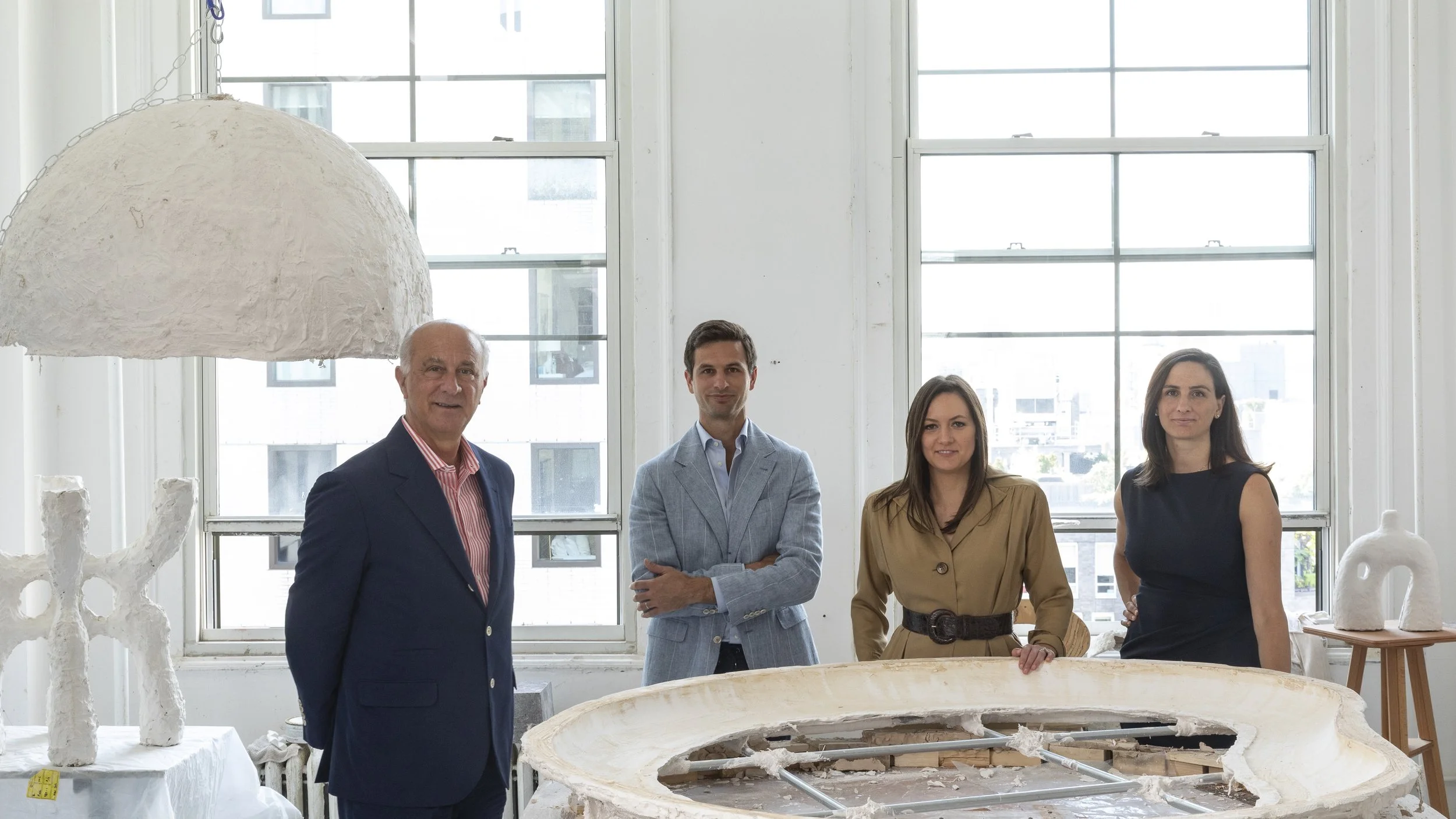
Left to right: Ralph Pucci, Michael Pucci, Drew Johnson Pucci and Nicole Pucci
Their varied backgrounds give them their point of view. Thinking outside of the box and not being “trend” oriented.
Stefan Bishop, we had had our eye on. We noticed his work, but in 2019, we had a serious conversation. He was using wood in a totally unique way, with the chainsaw, like a Georg Baselitz sculpture, but with functionality. He started working in our studio to make Plasterglass that is totally his own spirit.
He wouldn’t have been able to explore another medium without our studio.
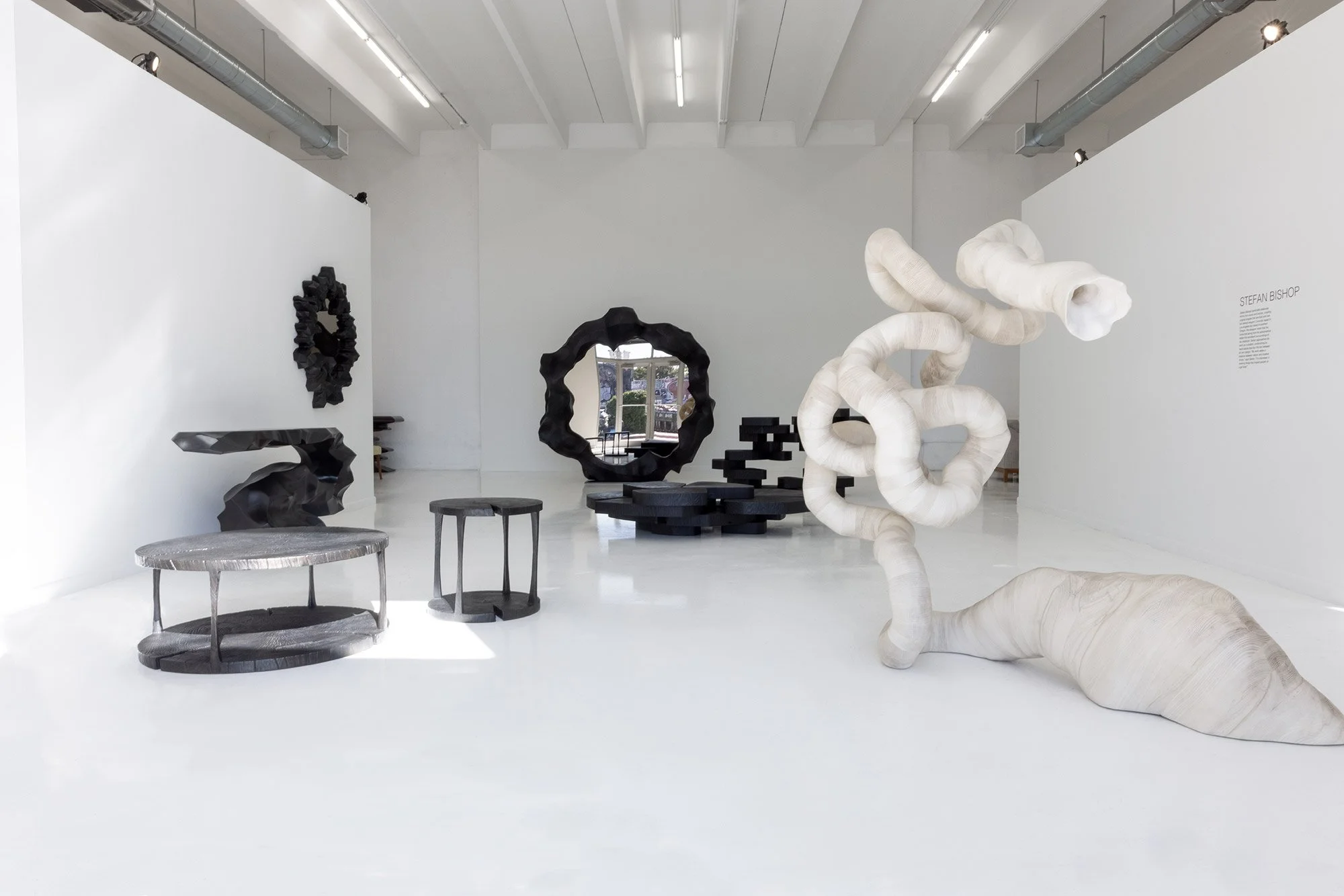
Stefan Bishop at RALPH PUCCI Miami, December 2021
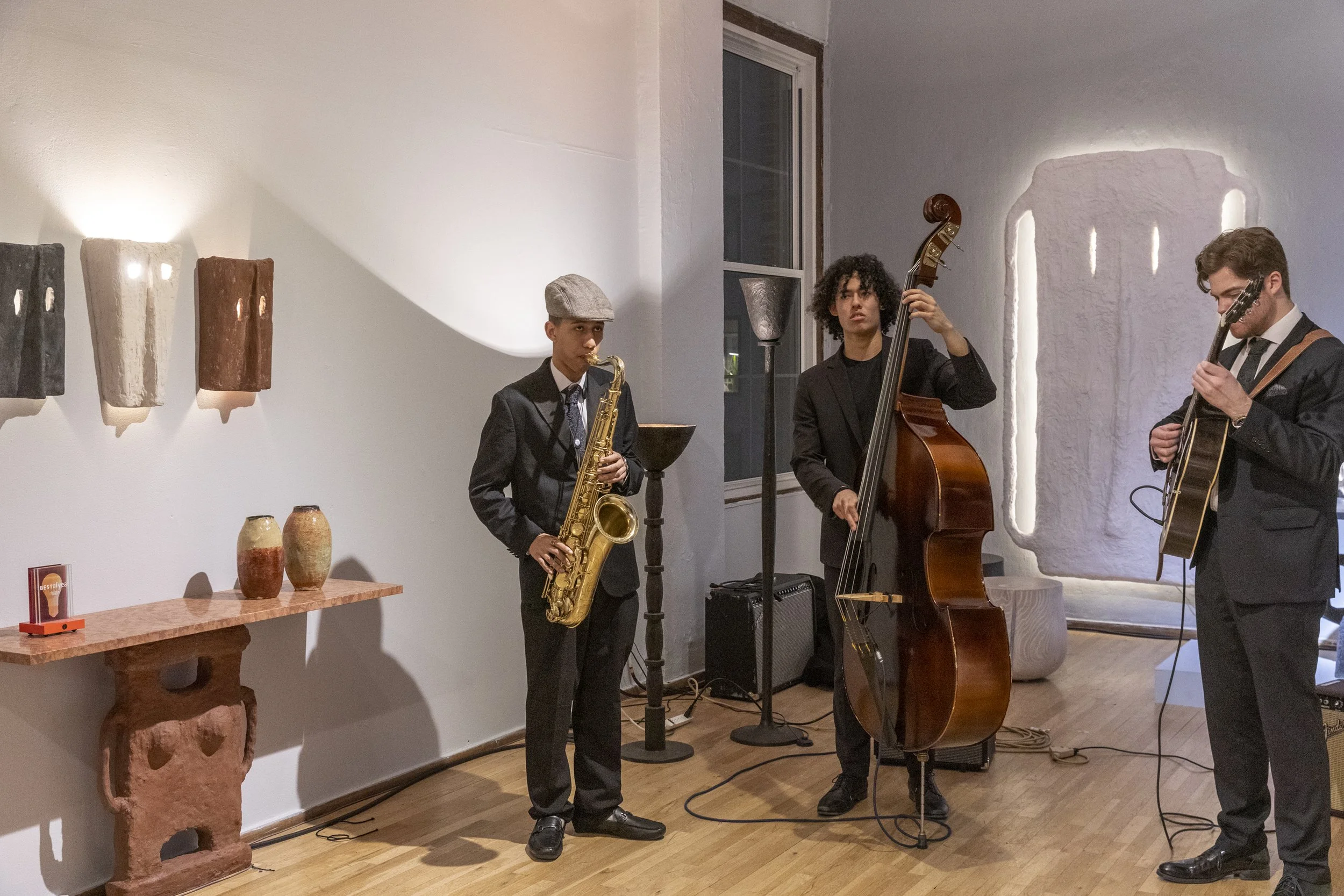
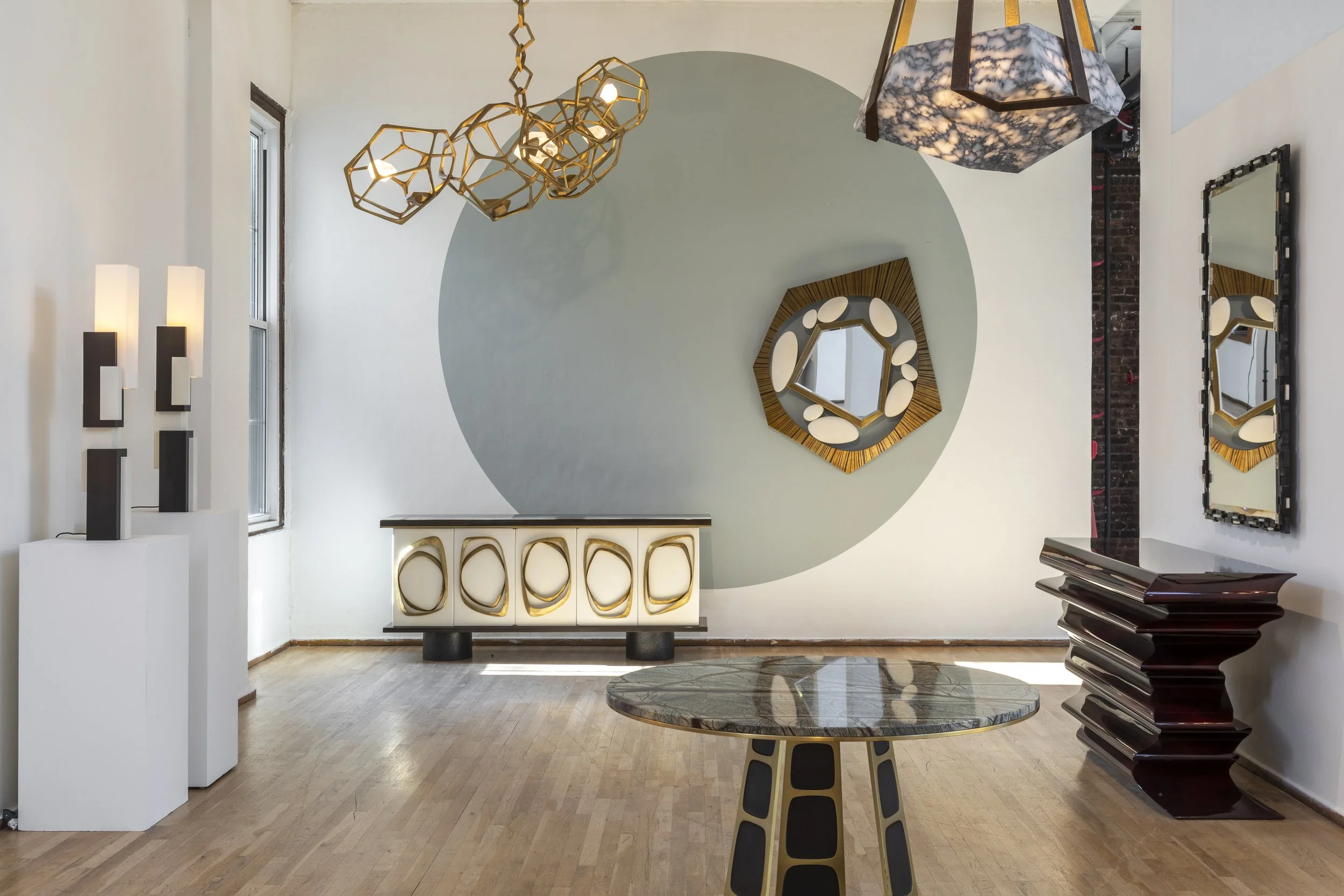
We have always done this. Ralph has done this for over 30 years, blending fine art with music, performance and what furniture we are showing. Typically, in a design gallery, it’s set up in a tight vignette, but we like to allow each piece to feel like it’s its own artwork. But that requires 10,000 square feet +
Driving people into the galleries and the way people shop have changed, which is why we’ve always been reluctant to do fairs—we have never done them—because we like a larger space to create and present our “culture”, not a transactional fair. Of course, we need to sell as well, but we believe in building community and the experience of our Ralph Pucci culture.
 You opened a pop-up gallery in London back in 2024, marking a significant moment for the brand. What inspired the decision to expand into London, and how has the response from the UK art and design community been so far?
The UK was a great experience, and it opened our brand to a whole new audience—the clients we had previously loved seeing us in person. The pop-up was open for 16 months, during which we hosted five exhibitions and performances. Dance, fine art, music, and furniture, which was a great microcosm of our culture. It’s such an important market. We hope to find the right opportunity to be there in person in the future.
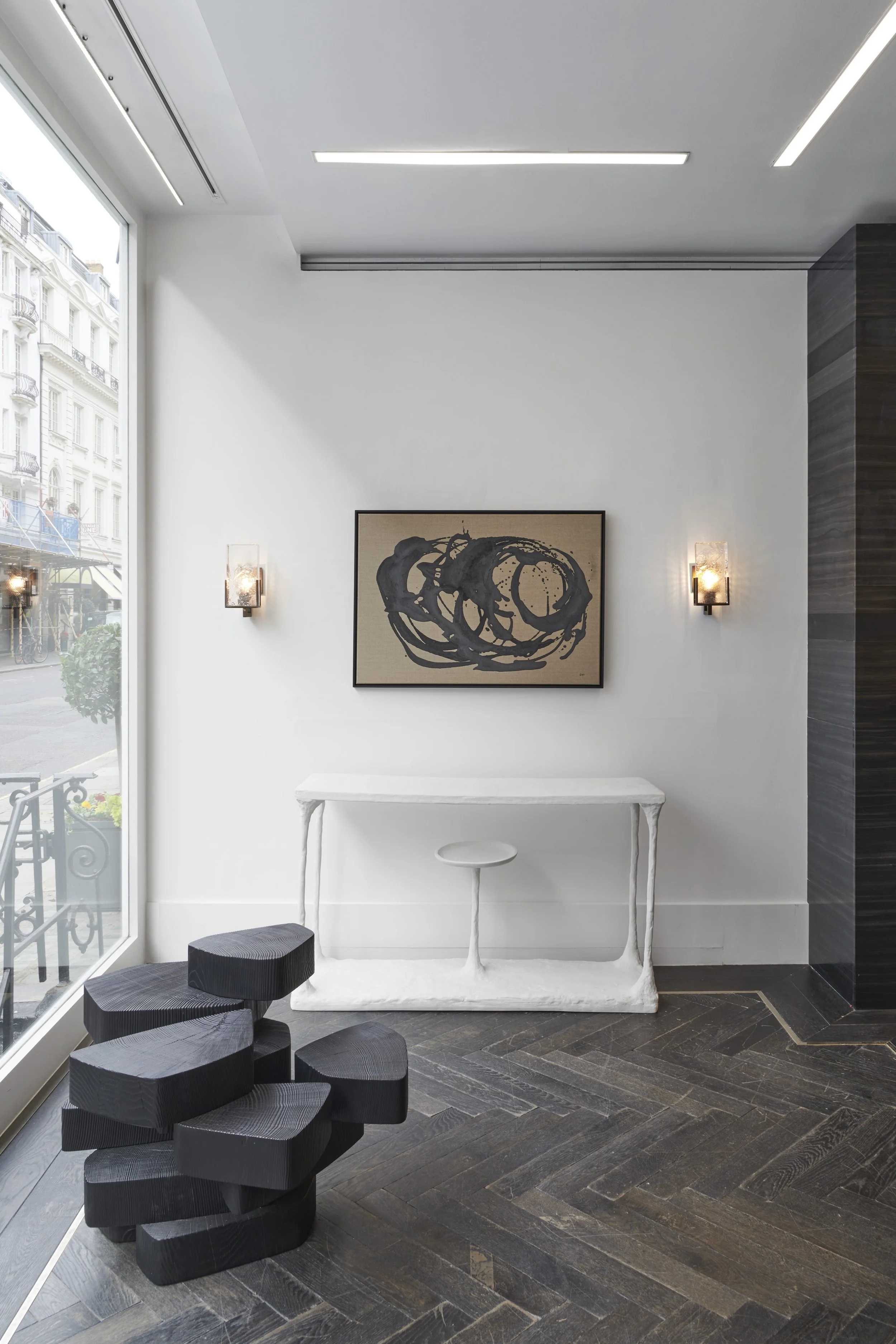
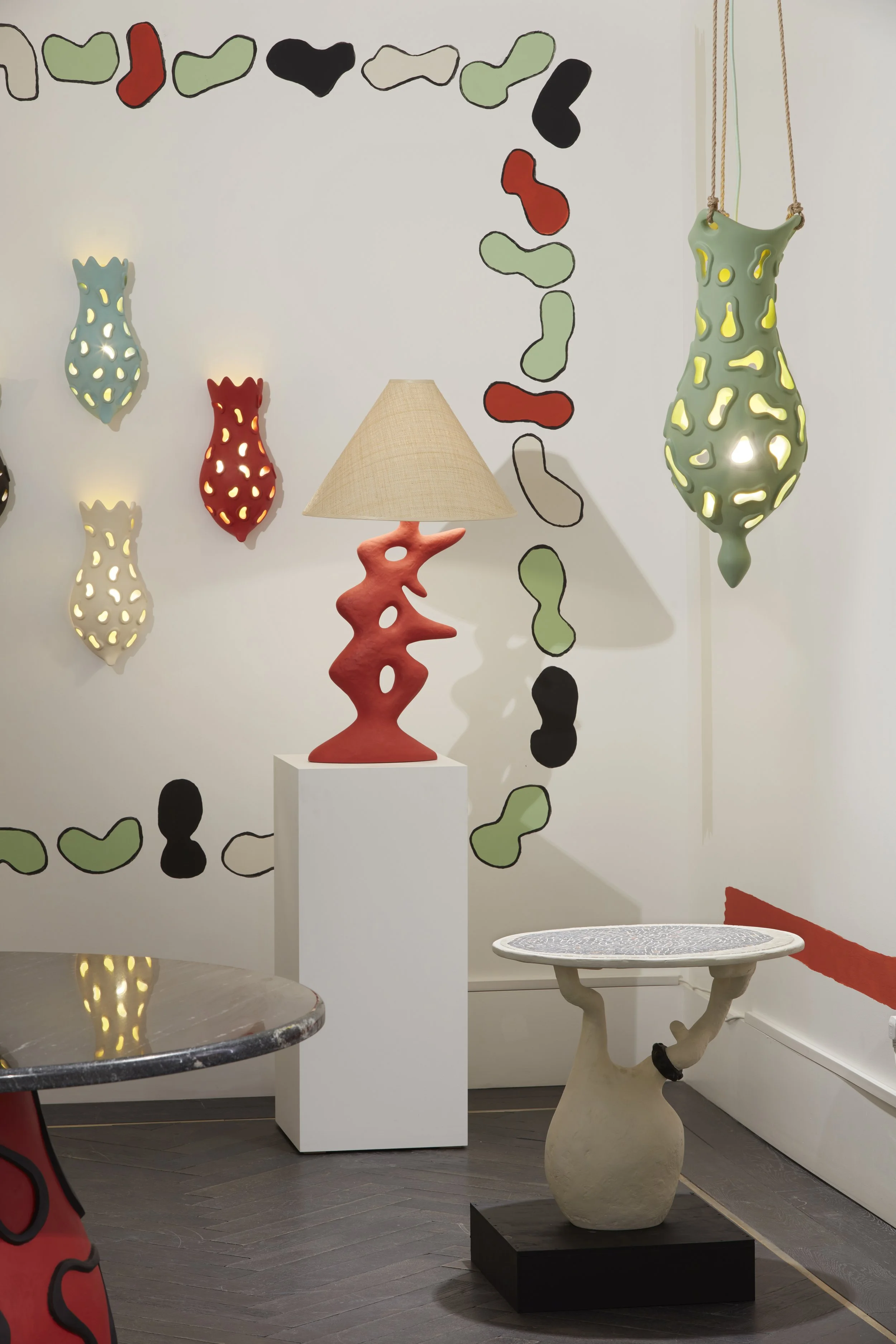 Left: Stefan Bishop & Spencer Fung / Right: Elizabeth Garouste “Beans”, RALPH PUCCI London, 2023
From your perspective, what are the most significant differences between the American and UK/European art markets in terms of collector tastes, gallery culture, and the way audiences engage with design-driven art?
From a buying perspective and a business perspective, the quick difference is the time to purchase. Americans tend to purchase works and move quickly, whereas the European market is more cautious and thoughtful.
Many of our clients in the UK appreciated being able to see things in person.
In the US, our clients are interior designers for the most part, and their clients often trust them as the arbiters of taste. And they seem faster to buy.
In Mayfair, we had many “end users” out shopping, but the European collectors were very comfortable making purchases once they had seen them in person.
Across New York, Miami, Los Angeles, and London, you’re exposed to some of the world’s most dynamic art scenes. Are there any global trends or movements you find particularly exciting right now, especially in relation to contemporary design?
Inclusiveness in terms of the wider arts umbrella—we’ve always believed in this, but it does feel like many galleries are now less siloed. In the last few years, it feels like every opening is trying to have different fields represented.
At Chateau La Coste, with our “Pure” exhibition, one of the greatest European art foundations gave us an (American) design exhibition, which was a major success. A few years ago, maybe design wouldn’t have been valued in that sort of space.
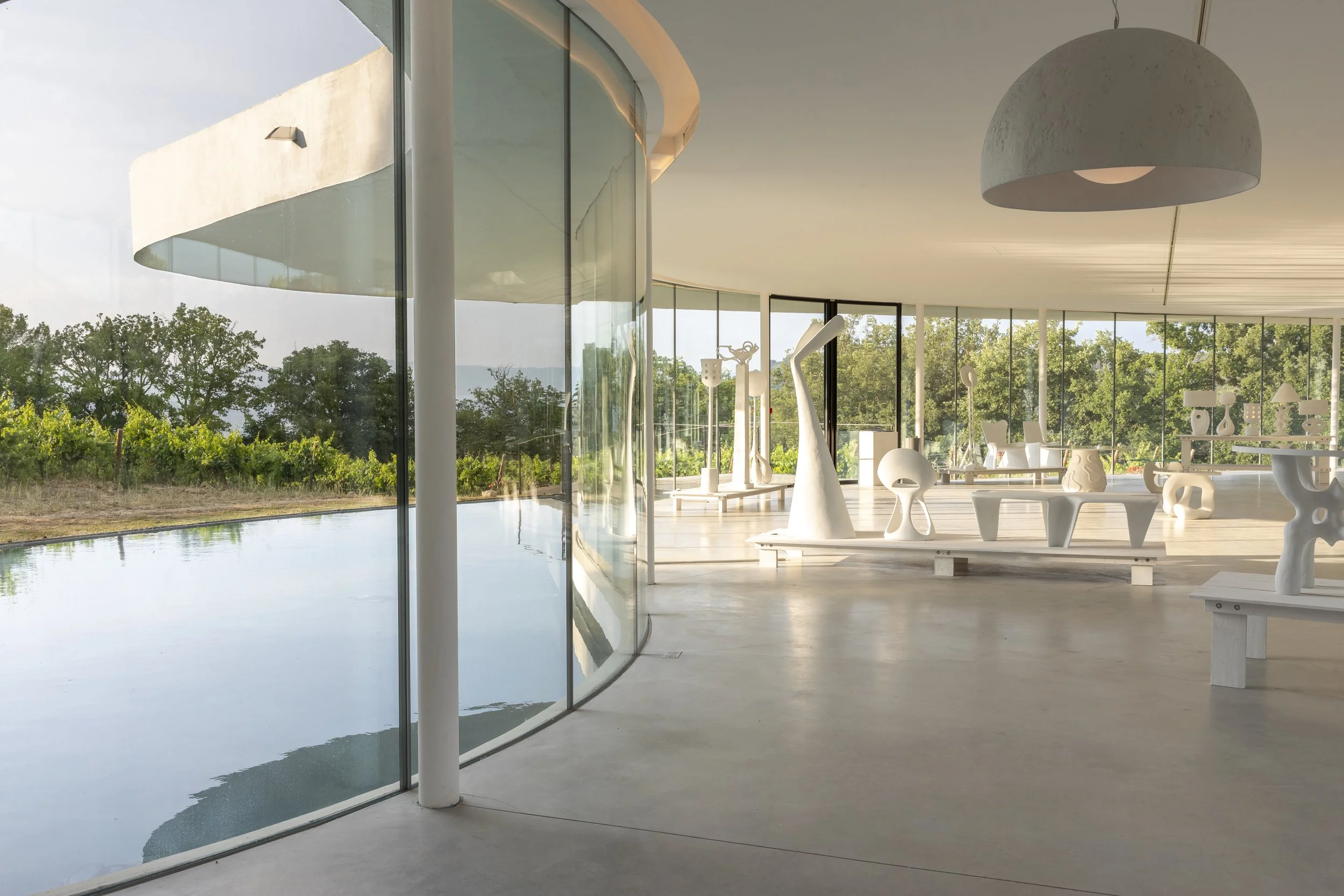
“Pure” at Chateau La Coste, summer 2025
We have been at the forefront of different ways of working. For years, we have exposed our artists to our studio for different materials. Galleries need to help the artists on the production side. We have been doing this for decades, and when you can free the artist to create, everyone wins. Most artists don’t want to be business people!
Everything in design is very expensive to produce (compared to fine art). The barrier to entry is much higher. There’s a movement toward visuals powered by A.I. But until you see the work in person —the craftsmanship —it’s hard to really understand their vision.
Our studio is a part of the gallery experience in our Manhattan headquarters, which really sets us apart. No one is manufacturing in the heart of the city any more, let alone on their gallery floor!
 In recent years, galleries have shifted towards more immersive, interactive experiences to engage audiences. Is this something RALPH PUCCI International is exploring, and how do you balance innovation with maintaining your signature aesthetic?
We’ve been doing this for years. Dance and music: these are among the biggest things that have set us apart. Our partnership with Jazz House Kids. Bringing in young artists from various art schools to be inspired and showcase their work and talents in our exhibition space.
As someone deeply embedded in the art and design world, which bars, restaurants, or cultural spots in New York, Miami, or Los Angeles would you recommend to design-conscious visitors? And during your time in London, did you discover any favourite spots that stood out for their interiors or atmosphere?
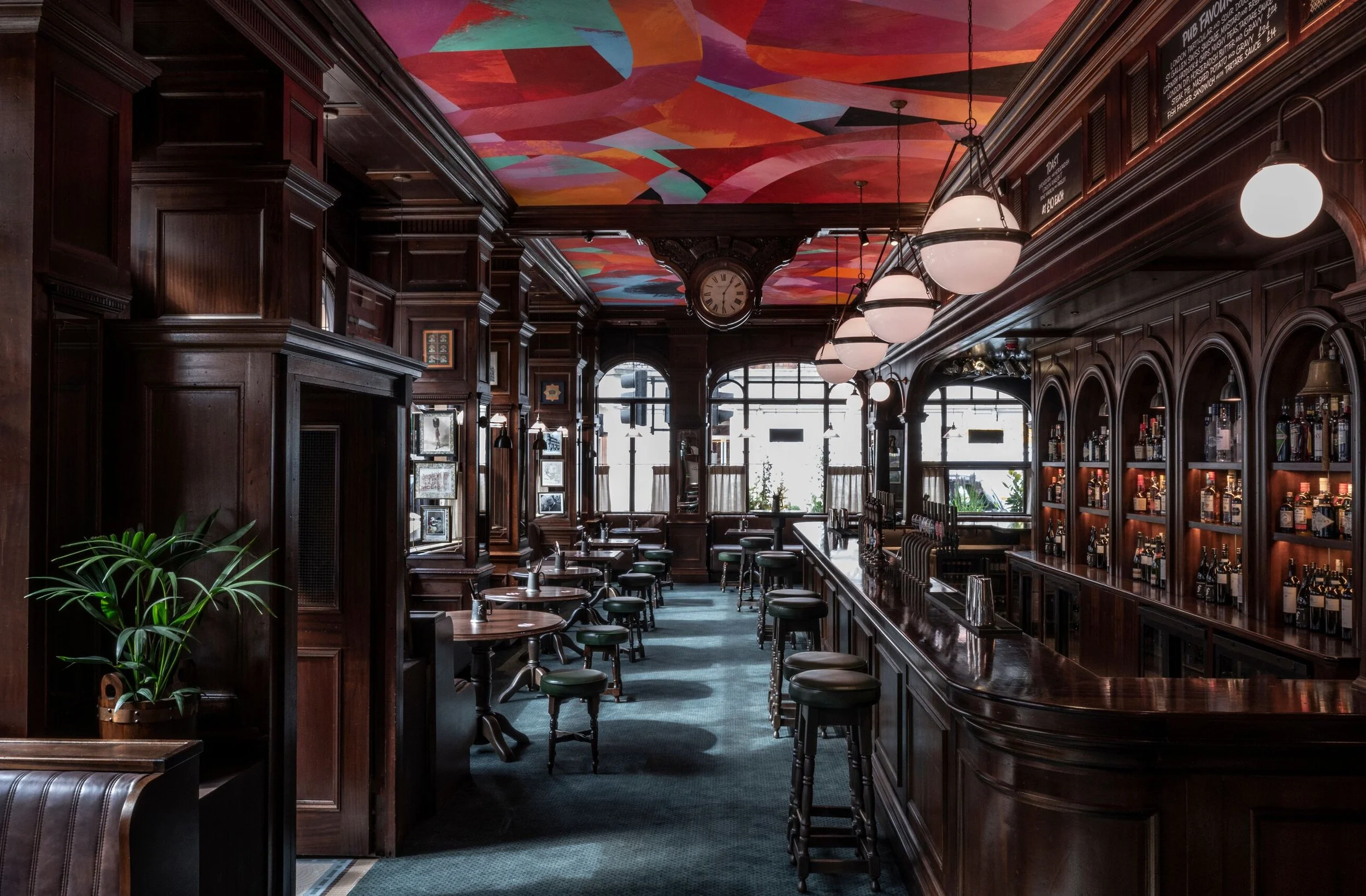
The Audley, London
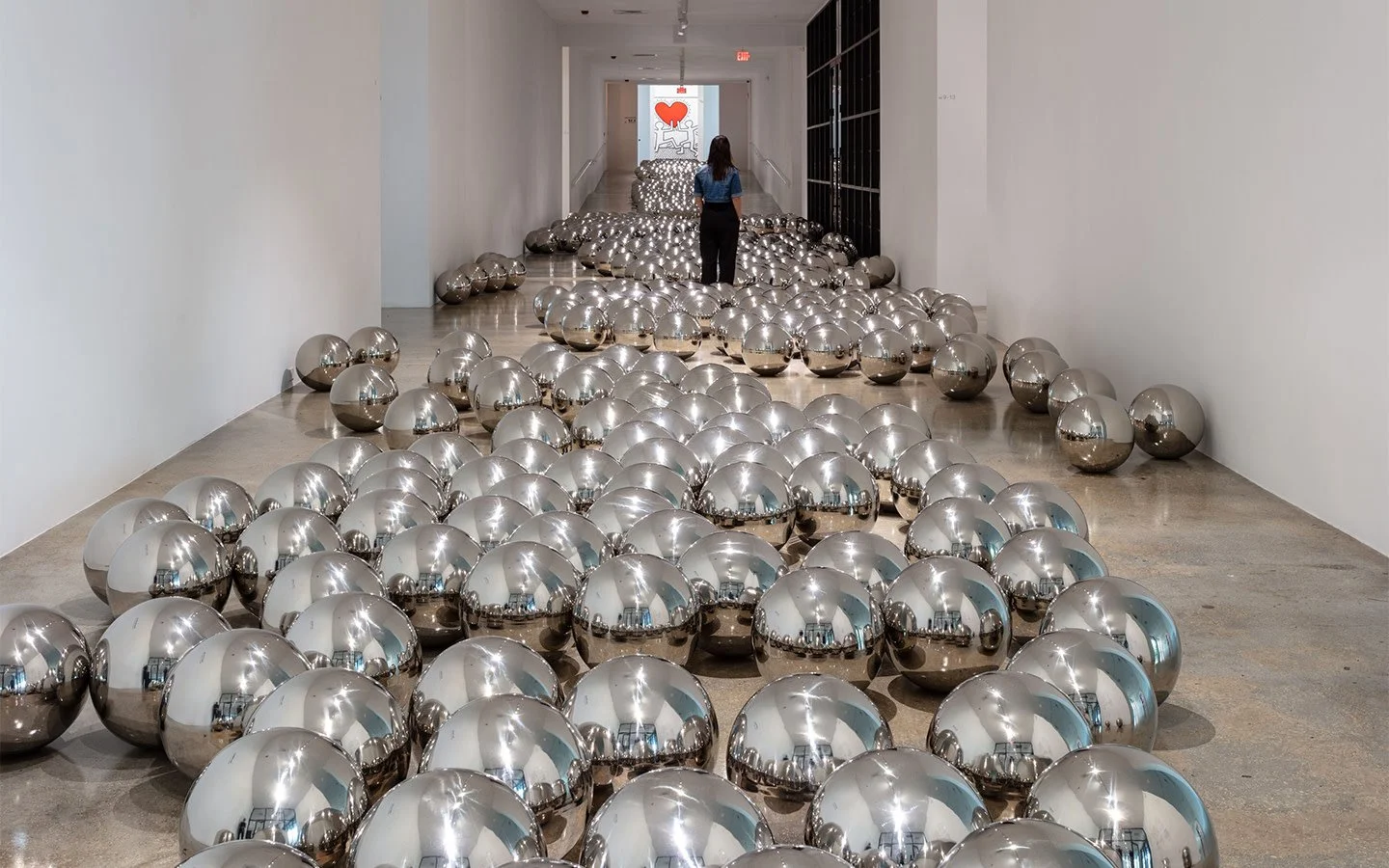
Rubell Museum, Miami
This summer, our exhibition at Chateau La Coste in France, called “Pure,” was a significant accomplishment. We plan to present a general version of that show, showcasing our work, at our exhibition during Art Basel in Miami in December.
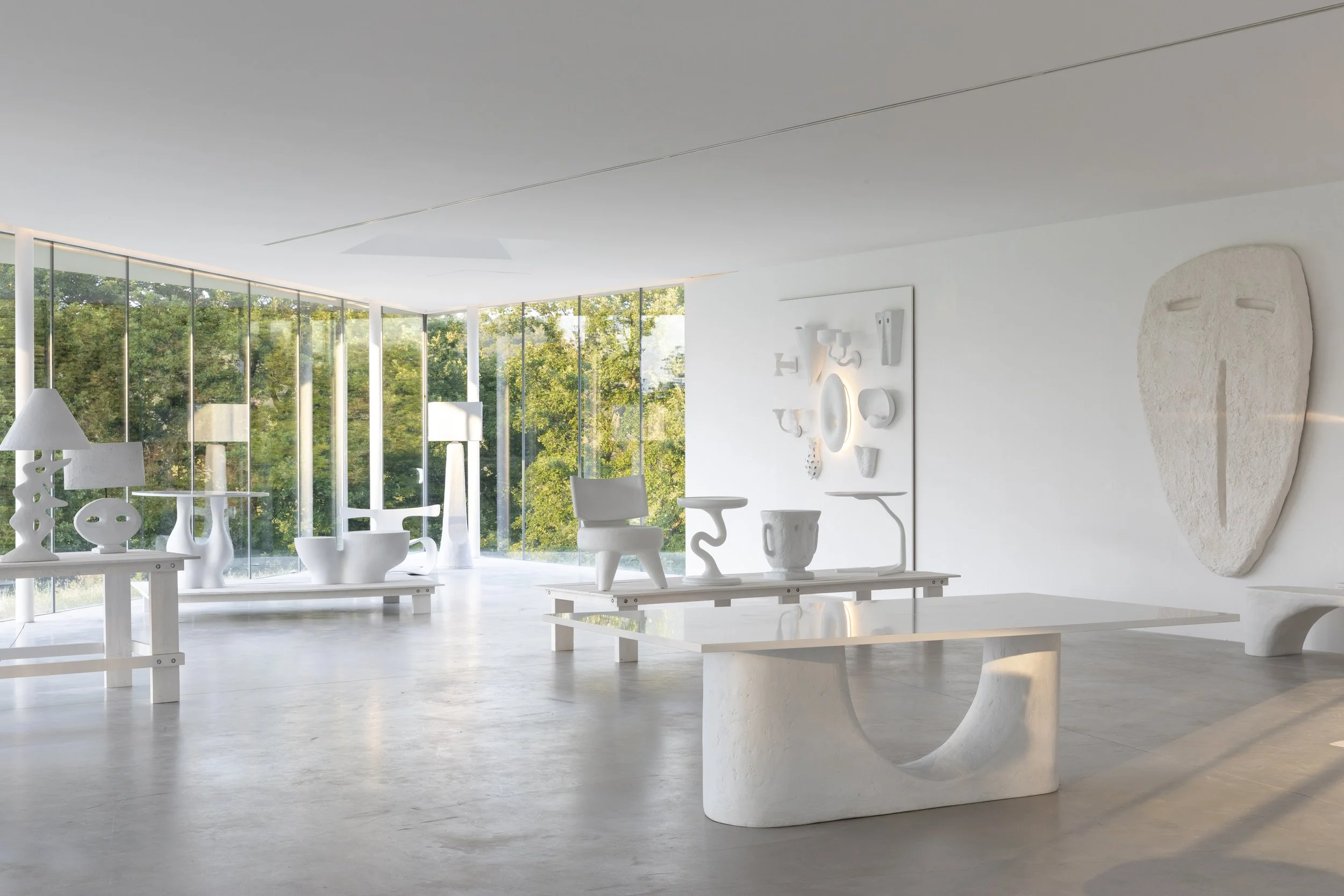
“Pure” at Chateau La Coste, summer 2025
In 2026, we are excited to announce a show of the French artist and designer Louis Cane. Stay tuned for more!
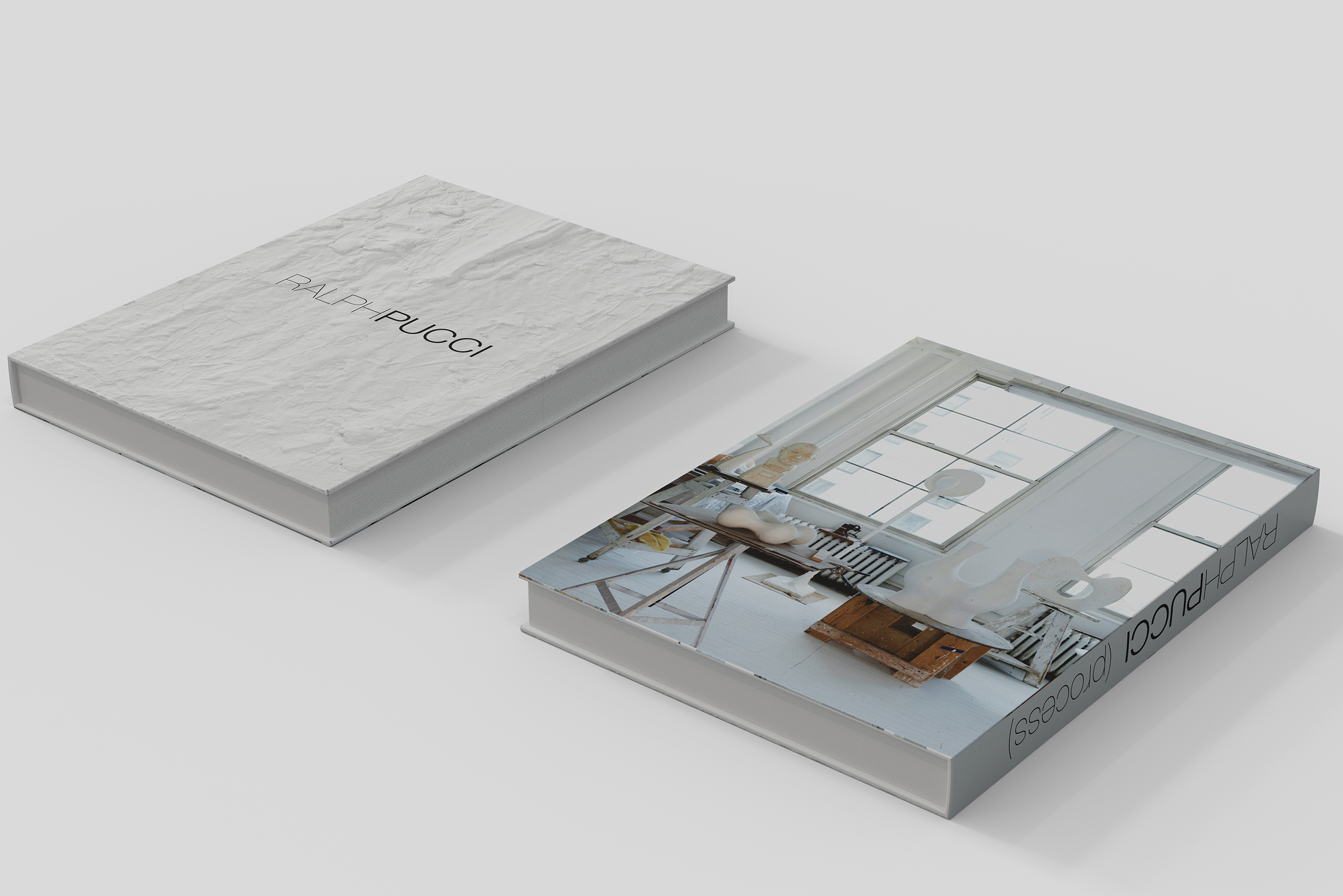
RALPH PUCCI Process, published 2025
More Interviews
 In Conversation With: Chef Kostas Papathanasiou, Lita
 In Conversation With: Rob Abrahams, Co-Founder of COAT
 In Conversation with: Ilene Shaw, NYCxDesign
 In Conversation with: Hermes Gehnen, N25 Caviar
 In Conversation With: Kelly Hoppen
 In Conversation With: Lee Broom


